Related Posts

Hemp-derived CBD vape cartridges occupy a gray zone of safety: they’re potentially safer than nicotine vaping and avoid THC’s psychoactive effects, but the industry’s lack of federal oversight means product quality varies wildly, and serious contaminants have been documented. If you’re considering whether to buy hemp products online or continue using CBD cartridges, understanding both the documented risks and the factors that distinguish safer products from dangerous ones is essential for making an informed choice.
The 2019 EVALI outbreak, which hospitalized thousands and killed 68 people, put all vaping products under scrutiny. While investigations traced most cases to illicit THC cartridges contaminated with vitamin E acetate, the crisis exposed fundamental problems across the vaping industry: minimal ingredient testing, unverified supplier chains, and products marketed with health claims but manufactured without pharmaceutical-grade standards. Hemp-derived CBD cartridges weren’t the primary culprit, but they share the same regulatory vacuum.
Research published through 2025 shows legitimate concerns. Studies have identified heavy metals leaching from heating elements, pesticide residues from improperly grown hemp, and synthetic additives like propylene glycol that break down into carcinogens at high temperatures. Yet thousands use these products daily without apparent harm, suggesting risk depends heavily on manufacturing practices and ingredient transparency.
This article examines what science currently reveals about CBD vape safety, identifies specific red flags that signal contaminated or dangerous products, and provides concrete criteria for evaluating cartridges before purchase.
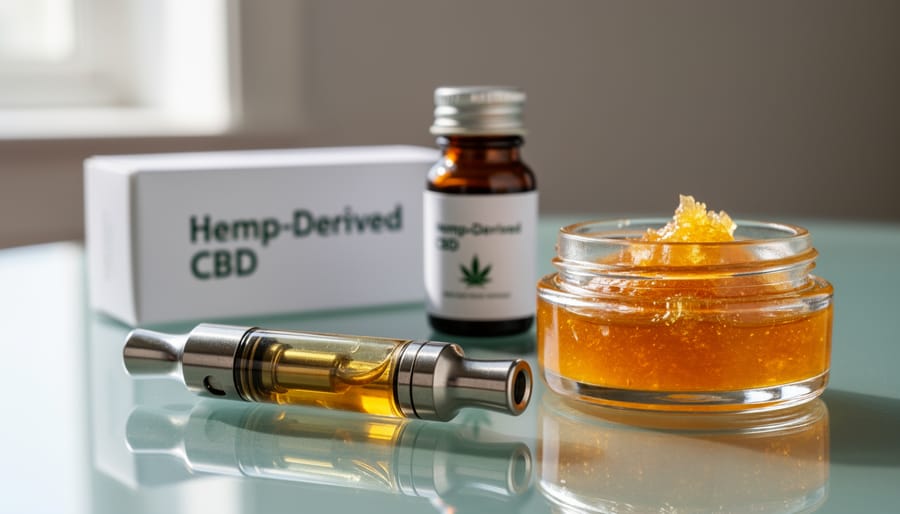
Hemp-derived CBD vape cartridges contain cannabidiol extracted from industrial hemp plants, cannabis varieties legally defined as containing less than 0.3% THC by dry weight. The 2018 Farm Bill federally legalized hemp and its derivatives, creating a legal pathway for CBD products that marijuana-derived alternatives don’t enjoy in many jurisdictions. This distinction matters because it determines whether you can legally purchase these cartridges across state lines and whether retailers can openly sell them.
The manufacturing process typically begins with CO2 or ethanol extraction to pull cannabinoids from raw hemp biomass. Manufacturers then formulate this extract with carrier substances to achieve the proper viscosity for vaping, sometimes adding back terpenes for flavor or purported therapeutic benefits. The final product gets filled into cartridges compatible with standard vape batteries, creating one of several types of vape carts available in today’s market.
When you inhale from a CBD cartridge, you’re breathing in aerosolized cannabidiol, carrier liquids, potentially terpenes, and whatever residual compounds survived the extraction and formulation process. Unlike edibles that pass through your digestive system or tinctures absorbed sublingually, vaping delivers these substances directly to your lung tissue. What exactly ends up in that vapor depends entirely on the manufacturer’s extraction quality, formulation choices, and whether contaminants entered during production, variables that lack consistent oversight in the hemp CBD market.
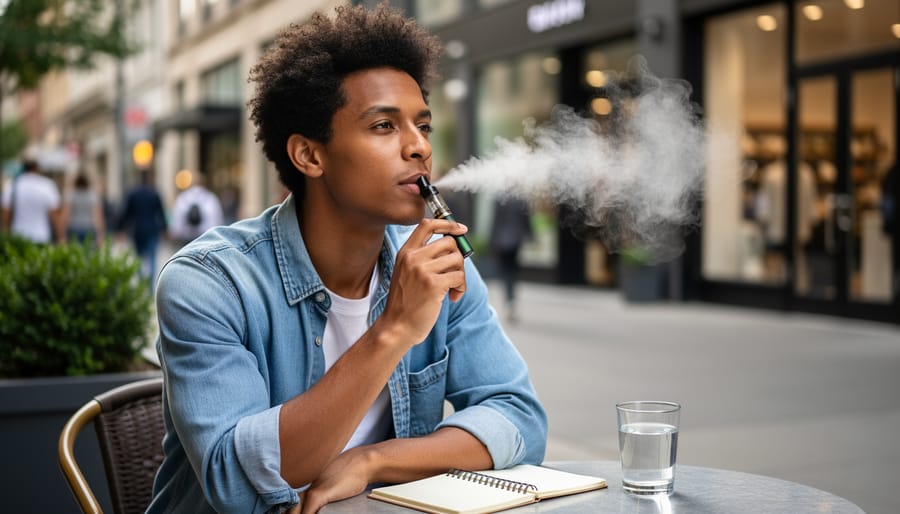
When you inhale vaporized CBD from a cartridge, you’re engaging one of the fastest and most efficient delivery methods available for cannabinoids. The process begins the moment vapor enters your lungs.
Unlike oral consumption where CBD must pass through your digestive system and liver before reaching your bloodstream, inhalation allows CBD molecules to cross directly through the thin membrane of your lung’s alveoli into your bloodstream. This happens within seconds. The alveoli, tiny air sacs numbering in the hundreds of millions throughout your lungs, provide roughly 70 square meters of surface area for absorption. When CBD-laden vapor contacts this massive interface, the small lipophilic molecules diffuse rapidly across the single-cell-thick barrier separating air from blood.
This route bypasses first-pass metabolism entirely, which dramatically affects how much CBD actually reaches your system. Studies on cannabinoid bioavailability show that inhaled CBD delivers approximately 34-56% of the administered dose to your bloodstream, compared to just 6-13% for oral consumption. This means vaping can be three to six times more efficient than taking CBD oil orally.
Peak blood concentration typically occurs within 3-10 minutes of inhalation, compared to 1-2 hours for edibles. You feel effects faster, but they also dissipate more quickly. Most users report noticeable effects within minutes, with duration typically lasting 2-4 hours rather than the 6-8 hours common with oral products.
Research on pulmonary cannabinoid delivery remains limited compared to oral and sublingual routes. A 2020 study in the Journal of Pharmaceutical Sciences examined CBD pharmacokinetics and found significant individual variation in absorption based on inhalation technique, lung capacity, and breath-holding duration. Deeper inhalations and longer breath holds increased absorption, though holding vapor beyond 3-5 seconds showed diminishing returns.
The lipid-soluble nature of CBD presents both advantages and concerns for lung delivery. While it crosses membranes efficiently, questions persist about whether repeated deposition of oily substances in lung tissue carries long-term risks. Current evidence hasn’t established clear harm from CBD itself when vaporized, but the carrier substances mixed with CBD complicate the safety picture considerably, as later sections will explore.
CBD vape cartridges require carrier liquids to dilute the thick CBD concentrate and facilitate vaporization, but not all carriers are created equal when it comes to lung safety. The choice of carrier substance directly impacts what you’re actually inhaling with each puff.
Most CBD cartridges use one of several common carriers. Propylene glycol (PG) and vegetable glycerin (VG), familiar from nicotine vaping, have established safety profiles for inhalation based on decades of research. Medium-chain triglyceride (MCT) oil, derived from coconut oil, became popular in CBD products but raises concerns when heated and inhaled, as lipid-based substances can potentially accumulate in lung tissue. Some manufacturers use cannabis-derived terpenes as thinning agents, which avoid synthetic additives but lack long-term inhalation studies.
| Substance | Safety Profile | Key Considerations |
|---|---|---|
| Propylene Glycol (PG) | Generally recognized as safe for inhalation | Extensive research from nicotine vaping; may cause throat irritation in some users |
| Vegetable Glycerin (VG) | Generally recognized as safe for inhalation | Produces thicker vapor; well-studied in e-cigarettes |
| MCT Oil | Potentially risky for inhalation | Lipid-based; linked to lipoid pneumonia concerns when inhaled |
| Vitamin E Acetate | Dangerous for inhalation | Strongly linked to EVALI outbreak; should be avoided entirely |
The 2019 EVALI crisis highlighted the severe dangers of vitamin E acetate, a thickening agent found in illicit THC cartridges that caused over 2,800 hospitalizations. While less common in legal hemp CBD products, its presence in any vape cartridge represents an unacceptable risk. Certificate of analysis documents should explicitly confirm the absence of vitamin E acetate and specify which carrier liquids are used, allowing consumers to make informed choices about what they’re willing to inhale.
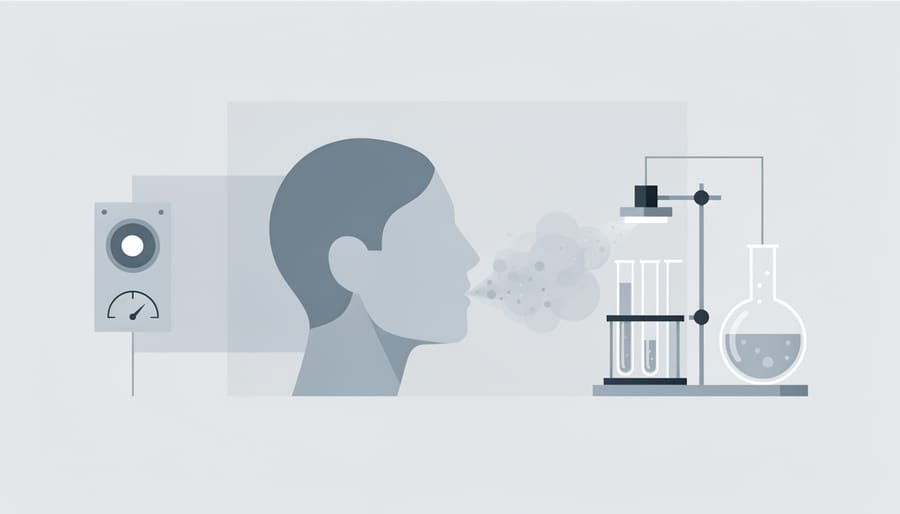
Independent laboratory testing of hemp-derived CBD vape cartridges has uncovered troubling contamination patterns that highlight the real-world gap between marketing claims and product safety. Multiple studies analyzing commercially available cartridges reveal consistent problems across various brands and price points.
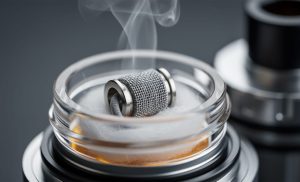
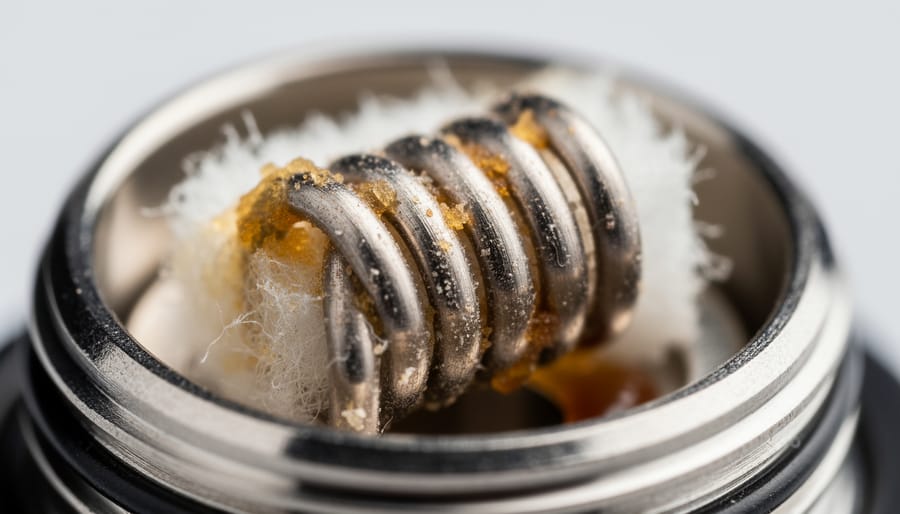
Heavy metals present perhaps the most concerning finding. Testing frequently detects lead, chromium, nickel, and manganese in CBD vape liquid, contaminants that leach from the heating coils and metal cartridge components during vaporization. These metals accumulate in lung tissue with repeated exposure, and no safe inhalation threshold exists for lead. The concentrations vary dramatically between products, but some cartridges tested have shown levels exceeding safety standards established for pharmaceuticals.
Pesticide residues represent another widespread issue. Hemp plants absorb chemicals from soil and pesticide treatments, and many manufacturers fail to adequately test or remediate these compounds before extraction. Independent labs routinely identify myclobutanil, a fungicide that converts to hydrogen cyanide when heated, along with other restricted pesticides in finished cartridges. The problem intensifies because hemp cultivation standards remain inconsistent, and outdoor-grown hemp faces greater pesticide exposure than controlled indoor operations.
Microbial contamination appears less frequently but poses serious risks when present. Some tested products contain aspergillus, E. coli, or salmonella, microorganisms that can cause severe respiratory infections when inhaled. This contamination typically stems from unsanitary manufacturing conditions or inadequate quality control.
The disturbing pattern: products without third-party testing or with incomplete certificates of analysis show higher contamination rates. Even among tested products, labs sometimes miss contaminants or manufacturers cherry-pick favorable test results to display, leaving consumers with an incomplete safety picture.
The regulatory landscape for hemp-derived CBD vape cartridges remains fragmented and largely inadequate. While the 2018 Farm Bill legalized hemp and its derivatives at the federal level, it did not establish safety standards or pre-market approval requirements for inhalable CBD products. The FDA has repeatedly stated that CBD products require regulatory approval, but the agency has yet to create an enforcement framework specific to vape cartridges, leaving a void where consumer protection should exist.
This stands in sharp contrast to nicotine vaping products, which face FDA pre-market tobacco product authorization requirements since 2016. Nicotine vape manufacturers must submit detailed applications demonstrating their products are appropriate for public health protection. Hemp CBD cartridges face no such scrutiny. Manufacturers can formulate, produce, and sell these products without submitting safety data, conducting clinical trials, or obtaining approval from any federal health authority.
The result is a patchwork of state-level regulations with wildly inconsistent standards. Some states like California require testing for pesticides and heavy metals, while others impose virtually no requirements beyond basic hemp licensing. This creates a race-to-the-bottom dynamic where products banned in one state remain freely available online and in neighboring jurisdictions.
Industry self-regulation efforts have emerged to fill this gap, with organizations developing voluntary testing protocols and good manufacturing practice guidelines. Some manufacturers have adopted these standards and publish third-party lab results, but participation remains voluntary. Without mandatory compliance or enforcement mechanisms, these industry standards represent best practices rather than minimum requirements.
For consumers, the practical consequence is stark: you are essentially your own regulatory agency. The absence of federal oversight means no one is verifying safety claims before products reach shelves, and post-market surveillance remains minimal. Product quality and safety depend almost entirely on manufacturer integrity rather than regulatory enforcement.
Research on CBD vaping remains surprisingly limited, with most published studies examining other cannabinoid delivery methods rather than inhalation specifically. A 2023 systematic review in the Journal of Cannabis Research identified only 14 peer-reviewed studies directly investigating vaporized CBD effects in humans, compared to hundreds examining oral CBD consumption. This evidence gap creates real challenges for anyone trying to assess inhalation risks based on solid science rather than extrapolation.
The short-term studies that do exist generally report mild adverse effects when participants vape pure CBD isolate under controlled conditions. Common observations include throat irritation, dry mouth, and occasional coughing during sessions, with these effects typically resolving quickly after use. A 2022 clinical trial published in Frontiers in Pharmacology monitored 47 participants vaping pharmaceutical-grade CBD cartridges over six weeks and found no significant changes in lung function tests or inflammatory markers, though researchers emphasized the limited duration and specific product tested.
What we definitively don’t know matters as much as what we do. No longitudinal studies have tracked CBD vapers for years to identify potential chronic respiratory effects, cardiovascular impacts, or cellular changes that might emerge with sustained use. The 2019 EVALI crisis revealed how quickly serious pulmonary damage can occur from contaminated cartridges, yet no equivalent research exists documenting subtler, cumulative harms from regular clean product use over extended periods.
The contamination question represents another critical knowledge void. Published studies typically test pharmaceutical-grade CBD formulations rather than the commercial hemp cartridges sold to consumers, which may contain carrier oils, thinning agents, and residual extraction solvents not present in research samples. A 2024 analysis in Toxicology Reports detected thermal degradation byproducts when vaping certain terpene-heavy formulations at high temperatures, raising concerns about compounds formed during actual use that controlled trials wouldn’t capture.
This research landscape means consumers face genuine uncertainty. The absence of alarming findings in limited short-term trials offers some reassurance, but it doesn’t constitute proof of long-term safety, particularly for the varied products flooding an unregulated market.
Identifying safer hemp CBD vape cartridges requires looking beyond marketing claims and examining specific quality indicators. Since regulatory oversight remains minimal, consumers must become their own safety inspectors.
Third-Party Lab Testing: Your Primary Safety Tool
Every legitimate hemp CBD cartridge should come with a Certificate of Analysis (COA) from an independent, ISO-accredited laboratory. This document isn’t optional. It shows exactly what’s in your cartridge through testing for cannabinoid potency, residual solvents, heavy metals, pesticides, and microbial contaminants.
Access the COA by scanning a QR code on the package or searching the batch number on the manufacturer’s website. If you can’t find it easily, consider that a red flag. The COA should test the specific batch you’re buying, not a generic result from months ago. Look for testing dates within the past six months and verify the lab’s accreditation independently.
What the Lab Report Should Show
A comprehensive COA tests for at least five categories. Cannabinoid profiles confirm CBD content matches label claims and verify THC stays under the 0.3% legal threshold. Residual solvent testing ensures no dangerous extraction chemicals remain. Heavy metal analysis checks for lead, arsenic, mercury and cadmium from heating elements. Pesticide screening confirms agricultural chemical absence. Microbial testing rules out mold, bacteria and fungi.
If any category shows “not tested” or if the manufacturer only provides partial results, that’s grounds for concern.
Transparent Ingredient Lists
Quality manufacturers list every ingredient, including the carrier liquid. Look for cartridges using MCT oil (medium-chain triglycerides) or vegetable glycerin as cutting agents. Avoid products listing propylene glycol, polyethylene glycol, or any form of vitamin E acetate.
The ingredient list should be short. If you see flavor additives or thinning agents you can’t identify, move on. When weighing CBD vape vs oil consumption methods, remember that inhalation products demand higher purity standards than oral tinctures.
Red Flags That Should Stop You
Walk away from products making medical claims like “cures anxiety” or “treats epilepsy.” Avoid cartridges significantly cheaper than competitors, unclear sourcing information, or packaging that mimics popular brands. If the company website lacks contact information, manufacturing location, or extraction methods, find another supplier.
Reputable brands openly discuss their hemp source (domestically grown is preferable), extraction method (CO2 extraction is cleanest), and provide accessible customer service. They invest in transparency because they have nothing to hide.
If inhalation risks concern you, several alternative CBD delivery methods eliminate them entirely. Sublingual tinctures offer the second-fastest absorption after vaping, with effects appearing in 15 to 45 minutes as CBD enters the bloodstream through mucous membranes under the tongue. Bioavailability ranges from 12% to 35%, comparable to vaping without lung exposure. Oral products like edibles for anxiety provide the longest-lasting effects, four to six hours versus one to three for vaping, though onset takes 45 minutes to two hours due to digestive processing. Topicals target localized issues without systemic absorption, making them ideal for joint pain or skin conditions but ineffective for general anxiety or sleep concerns.
Pros
Cons
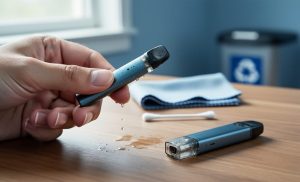
For those who continue vaping despite the risks, harm reduction matters. Purchase only cartridges with current third-party lab results showing they’re free from vitamin E acetate, heavy metals, and pesticides. Store cartridges upright in cool, dark places to prevent oxidation and leakage. Replace cartridges that taste burnt or harsh, as degraded oil produces harmful compounds. Clean battery connections weekly with isopropyl alcohol to prevent residue buildup, and learn to use batteries safely by avoiding overcharging and using manufacturer-recommended chargers. Never use cartridges with cracked tanks or damaged threading, as compromised seals introduce air that degrades CBD and creates oxidation byproducts.
The safety of hemp-derived CBD vape cartridges in 2026 remains a nuanced issue without simple answers. While these products offer potential benefits and a convenient delivery method for CBD, they exist in a regulatory gray zone that places the burden of safety assessment squarely on consumers.
The evidence presents a mixed picture. CBD itself shows a favorable safety profile in research, and vaping delivers cannabinoids efficiently. However, documented concerns about carrier oils, contaminants, manufacturing inconsistencies, and the long-term effects of inhaling vaporized oils demand careful consideration. The 2019 EVALI crisis demonstrated how quickly unsafe additives can cause serious harm, and the lack of comprehensive FDA oversight means similar risks persist.
Your safest approach involves treating product selection as an active research process rather than a passive purchase. Prioritize manufacturers who provide detailed third-party lab testing, use safe carrier liquids like MCT oil or vegetable glycerin, maintain transparent sourcing practices, and demonstrate quality control standards. Examine certificates of analysis for every batch, verify testing was conducted by accredited labs, and stay skeptical of products making health claims or sold at unusually low prices.
If inhalation risks concern you, CBD oils, edibles, or topicals offer alternatives worth exploring. For those who continue vaping, maintain devices properly and stay informed as research develops and regulations potentially tighten. The landscape will evolve, but your health decisions shouldn’t wait for perfect information that may never arrive.